September 28, 2026
Your home is your ultimate sanctuary, and the roof is its primary line of defense against the harsh and ever-changing elements. From torrential downpours and heavy snowfall to blistering summer heat and high winds, your roofing system takes a continuous, daily beating. Over time, even the highest-quality materials and the most flawless installations will begin to degrade. But for the average homeowner, how do you differentiate between a roof that just needs a minor, localized repair and one that requires a complete, structural overhaul?
Ignoring the subtle warning signs of a failing roof can lead to severe structural damage, dangerous mold growth, destroyed insulation, and costly interior water damage. By recognizing the early indicators of system failure, you can proactively schedule professional roof replacement services before disaster strikes and the damage spreads to the rest of your home. In this comprehensive guide, we will walk you through the most critical warning signs that indicate your home is finally ready for a brand-new roof.
The Age of Your Roof Exceeds Its Expected Lifespan
The most straightforward and objective indicator that you might need roof replacement services is the sheer age of your current roofing materials. Different materials are engineered to last for varying lengths of time, and knowing exactly when your roof was installed is the first step in diagnosing its health. According to This Old House, asphalt shingle roofs typically last 15 to 30 years.
If your home’s roof is approaching or has exceeded this mark, it is time to start planning and budgeting for an upgrade. Even if the roof looks relatively intact from the ground level, the underlying structural integrity, underlayment, and adhesives might be heavily compromised by years of weather exposure. Regular professional inspections become absolutely crucial as your roof ages, allowing you to stay ahead of sudden leaks or catastrophic material failures.
The Shingles Are Curling, Cracking, or Missing
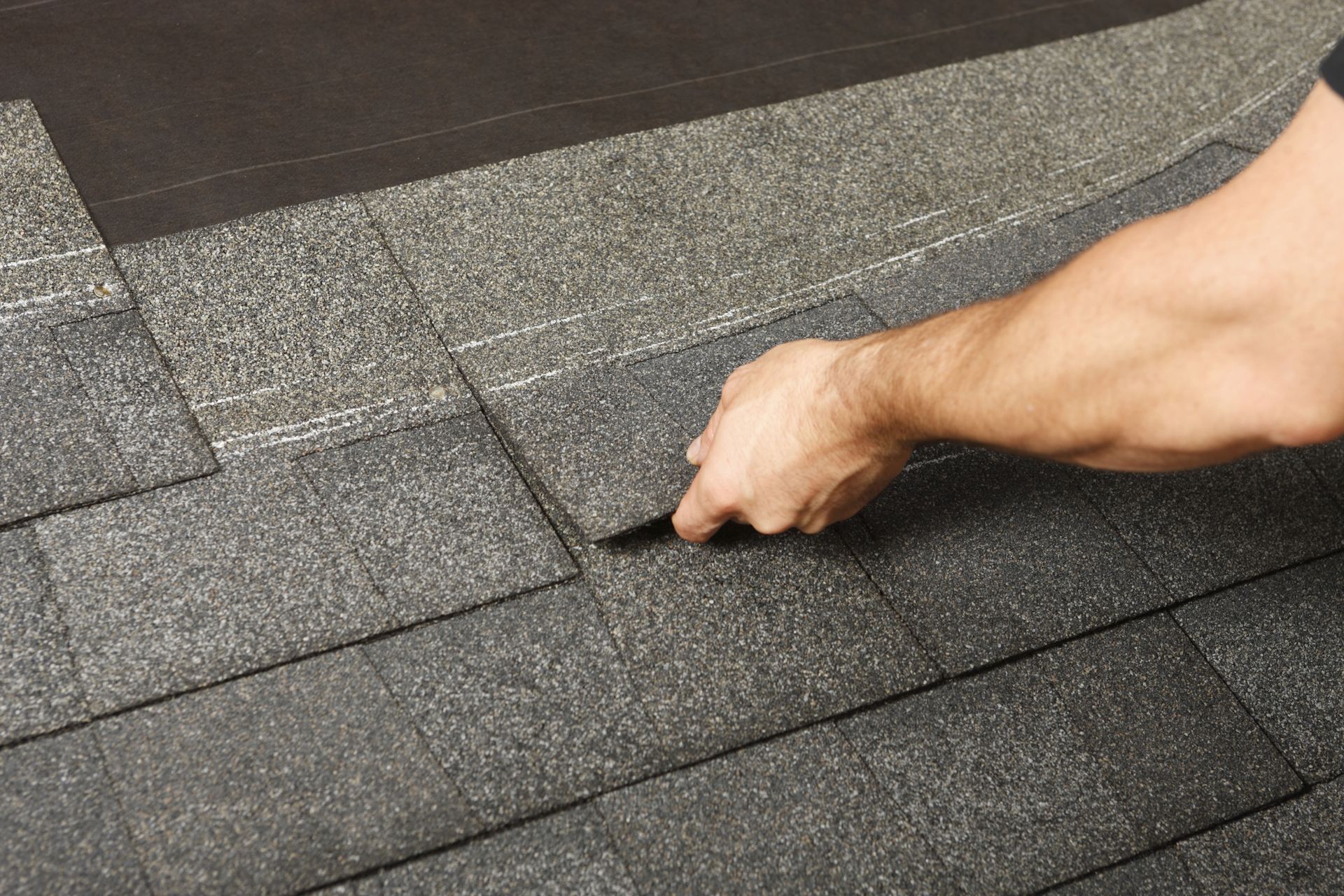
A simple visual inspection of your shingles from the safety of your driveway can reveal a wealth of information about the overall health of your roofing system. When asphalt shingles reach the end of their usable life, they often begin to warp and distort. You might notice the edges of the shingles curling upward (cupping) or the middle sections buckling outward (clawing).
Cracks can also develop due to thermal shock — the continuous expansion and contraction of materials caused by extreme daytime and nighttime temperature fluctuations. Additionally, if entire shingles are missing entirely after a heavy storm, your roof’s waterproofing layer is severely compromised. When these visible issues are widespread across the entire roof rather than isolated to a few easily patchable spots, investing in professional roof replacement services is usually the most cost-effective and safest long-term solution.
The Granules Are Accumulating Inside Your Gutters
If you have a standard asphalt shingle roof, you should pay very close attention to the state of your gutters during your biannual gutter cleaning routines. Asphalt shingles are specifically coated with small, sand-like granules that serve a vital purpose: they protect the fragile asphalt coating from the sun’s harmful ultraviolet (UV) rays and provide necessary fire resistance.
Over time, heavy rain, hail, and general weather exposure cause these granules to loosen and wash down the slopes of your roof into your gutter system. While finding a few granules is normal wear and tear, discovering thick, heavy layers of black, sandy sediment in your gutters is a major red flag. Without these protective granules, your "bald" shingles will bake directly in the sun, become highly brittle, and deteriorate at a rapid pace, significantly accelerating your need for comprehensive roof replacement services.
The Roof Deck Is Sagging or Drooping Visibly
A healthy, structurally sound roof should always have straight, crisp, and clean lines along its top ridges and downward slopes. If you step back from your home, look up at the roofline, and notice a visible sag, dip, or drooping section, you are looking at a highly severe structural issue.
Sagging almost always indicates that moisture has successfully penetrated the outer roofing layers and has begun rotting the underlying wooden decking. Alternatively, it can mean that the structural supports (the joists or trusses) are actively failing under the tremendous weight of the roof — especially after heavy winter snow loads. This is not merely a cosmetic issue; it is a serious safety hazard that could ultimately lead to a partial or complete roof collapse. In these extreme cases, immediate roof replacement services are not just recommended — they are an absolute necessity to protect your home and your family.
The Sunlight Is Penetrating Your Attic Boards
You do not always have to climb a tall ladder and inspect the exterior of your home to diagnose a failing roof; sometimes, the most obvious signs are found right inside your own house. Head up to your attic during the brightest part of the day and turn off any artificial lights. Look up at the ceiling and the interior roof deck.
If you can clearly see distinct beams of sunlight peeking through the wooden roof boards, you have a serious envelope breach. It is a simple rule of physics: where light can enter, water can enter. While you are up there, check the condition of the wood. If you touch the boards and they feel soft, spongy, or show obvious signs of dark water stains and active dripping, your roof's barrier has been broken. Relying on extensive roof replacement services is the best way to secure your home’s envelope and prevent disastrous indoor flooding.
The Energy Bills Are Spiking Without Explanation
A sudden, unexpected, and completely unexplained increase in your monthly heating and cooling bills can be a hidden symptom of a failing roofing system. Your roof serves as a critical, foundational component of your home's insulation and ventilation systems.
When a roof degrades and loses its sealing properties, it can easily allow precious, climate-controlled air to escape into the atmosphere. Simultaneously, it allows sweltering summer heat or freezing winter drafts to penetrate your living spaces. This temperature exchange forces your home's HVAC system to work in overdrive, running constantly just to maintain a comfortable indoor temperature. Upgrading your home through modern roof replacement services provides you with advanced, highly energy-efficient roofing materials and proper ventilation systems that better insulate your home, ultimately saving you a significant amount of money on utility costs month after month.
The Flashing Is Rusted, Damaged, or Missing
Flashing refers to the thin metal pieces placed around roof valleys, chimneys, skylights, and plumbing vent pipes. The specific purpose of flashing is to seal the seams and direct water away from the most vulnerable, angular areas of your roof.
In older homes, flashing was sometimes made of cement or tar, which inevitably degrades, cracks, and breaks apart as it bakes in the sun over the years. Even modern metal flashing can heavily rust, corrode, or become completely dislodged by high-speed winds. If your flashing is severely compromised, it serves as an open door for massive water leaks that rot out your roof's underlying wooden structure. When multiple areas of flashing are failing concurrently alongside aging shingles, it is generally a sign that patchwork won't suffice and the entire roofing system requires a fresh start.
The Exterior Paint Is Blistering Around Your Roofline
Believe it or not, the exterior paint on your home’s siding, eaves, and fascia boards can tell you a lot about the actual condition of your roof overhead. When a roof's ventilation is poor, or its primary waterproofing barrier has completely failed, ambient moisture gets trapped inside the home’s walls and upper roofline.
As this trapped moisture desperately tries to escape outward, it pushes through the exterior materials, causing the paint on your siding and trim to blister, bubble, and inevitably peel away. If you find yourself needing to scrape and repaint your home's exterior trim much more frequently than the standard timeline suggests, the root cause is likely located above your head. Addressing this core moisture issue is vital for the long-term health of your property.
Contact Sentinel Exteriors today to schedule a comprehensive roof inspection and take the crucial first step toward a safer, more resilient, and beautiful home.